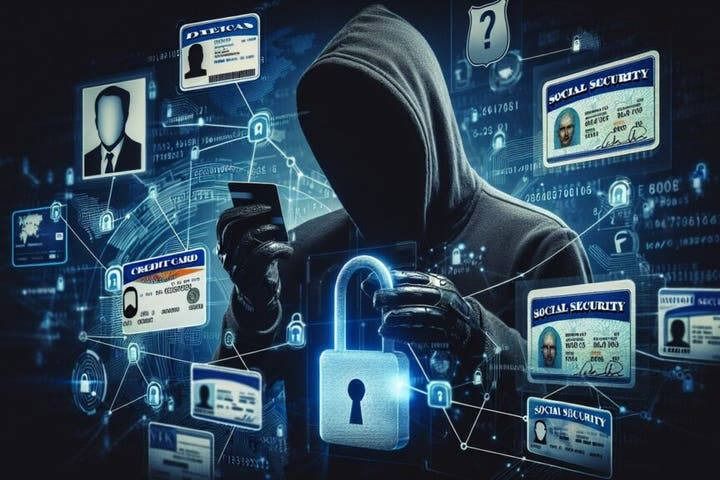
How Hackers Steal Your Data Without a VPN.
In 2025, cybercrime has become more sophisticated, aggressive, and profitable than ever. Hackers don’t need to break into bank vaults or steal physical documents—they simply track your online footprint, intercept your network traffic, and harvest your personal data quietly. The shocking truth is this: if you browse the internet without a VPN, you are exposed to hundreds of attack points every single day.
Every device you connect—your phone, laptop, smart TV, or tablet—leaks information. And in a world dominated by remote work, public Wi-Fi, digital banking, and crypto trading, attackers don’t even need to target you specifically. They simply target the network you’re on and harvest everything passing through it.
This article explains exactly how hackers steal your data when you browse without a VPN, the real dangers behind unsecured connections, and the powerful steps you can take to protect yourself in this new digital battlefield.
1. Hackers Intercept Your Traffic Using Man-in-the-Middle (MITM) Attacks
When you connect to the Internet without a VPN, your traffic is naked. Anyone on the same network can spy on what you’re doing. Hackers exploit this using a technique called a Man-in-the-Middle attack.
How it works:
A hacker connects to the same Wi-Fi as you.
They secretly clone or override the hotspot.
Your device automatically connects to their fake network.
Everything you browse passes through their system.
They see your:
✔ usernames
✔ passwords
✔ banking sessions
✔ crypto logins
✔ social media activity
✔ email contents
This is why airport Wi-Fi and café hotspots are goldmines for cybercriminals.
How a VPN protects you
A VPN encrypts all your traffic. Even if hackers intercept it, all they see is unreadable scrambled code.
2. Hackers Track Your IP Address to Identify & Target You
Your IP address is like your home address on the internet. It reveals:
Your city
Your ISP
Your device
Your browsing habits
Your online activities
Hackers use your IP to:
Launch DDoS attacks
Track your movements
Target you with personalized phishing
Break into your network
Without a VPN, your IP is exposed to every website you visit.
How a VPN protects you
A VPN hides your real IP and replaces it with a random international server address. Hackers cannot locate or target you.
3. ISPs Sell Your Browsing History — And Hackers Buy It
Most people don’t know this, but ISPs openly sell anonymized user data. Advertisers, data brokers, and yes—even criminals—buy it.
Your browsing history includes:
What you search
What you watch
Your purchases
Financial activities
Health information
Relationship interests
Social media habits
This data can be used to:
Profile your identity
Manipulate your behavior
Predict your weaknesses
Launch spear-phishing attacks
How a VPN protects you
A VPN prevents your ISP from seeing your activities. They only see encrypted traffic.
4. Apps Share Your Data Behind the Scenes
Even trusted apps—from social media to shopping and productivity tools—collect and transmit data to third parties.
This includes:
Contacts
Location
IP address
Device ID
Usage patterns
Without a VPN, this data travels unprotected and can be intercepted.
5. Hackers Hijack Your Sessions Using Cookie Theft
This is one of the most dangerous attacks in 2025.
Cookies are used to keep you logged into websites.
If a hacker steals your session cookie, they don’t need your password—they log into your account instantly.
Where this happens:
Free Wi-Fi
Public networks
Shared routers
Insecure websites
How a VPN protects you
VPN encryption prevents cookie theft and session hijacking.
6. DNS Leaks Reveal Everything You Do Online
Every time you open a website, your device makes a DNS request.
Without a VPN, anyone monitoring your network can see:
What sites you visit
What apps you use
Your browsing habits
Your online schedule
Hackers, ISPs, and trackers all exploit DNS leaks.
How a VPN protects you
A secure VPN routes DNS queries through its own encrypted servers.
7. Hackers Use Packet Sniffing Tools to Steal Sensitive Data
Tools like Wireshark, Ettercap, and packet analyzers allow attackers to spy on unencrypted traffic.
They can read:
✔ Login details
✔ Emails
✔ Messaging data
✔ Online transactions
This is why cybercriminals love open networks—half their job is already done.
8. Public Wi-Fi Is the Biggest Security Trap of 2025
Most people think public Wi-Fi is safe. It is not.
Hackers use public networks to:
Inject malware
Steal passwords
Clone websites
Intercept traffic
Track devices
Without a VPN, you are exposed the moment you connect.
Conclusion
The digital world is not safe without proper protection. Hackers do not need your permission, your password, or your attention. They simply exploit vulnerabilities in your connection. The moment you browse without a VPN, your data becomes accessible to attackers, advertisers, ISPs, government monitors, and scammers.
A VPN gives you:
✔ Total encryption
✔ Hidden identity
✔ Location privacy
✔ Protection from interception
✔ Security on all networks
In 2025, a VPN is not a luxury — it is your first line of defense in a world where every click is monitored and every device is a target.